Water dust suppression system-dust control expert



High-Pressure Micro-Mist System: Multi-Scenario Application Solutions Featuring Micron-Level Atomization Technology
2026-09-24


The high-pressure micro‑mist system is an industrial‑grade atomization device that uses a high‑pressure plunger pump to pressurize water and then atomizes it into micron‑scale fine mist through specially designed nozzles. The system comprises a high‑pressure plunger pump, high‑pressure delivery pipelines, specialized nozzles, multi‑stage filtration and water‑softening units, and an intelligent control system. It generates large volumes of cool mist without the need for heating, offering multiple functions such as humidification, cooling, dust suppression, disinfection, and deodorization, and is widely used in industrial, environmental protection, agricultural, and public‑space applications.
The core of the system is the high-pressure atomization process. A high-pressure plunger pump pressurizes water that has undergone multi-stage filtration and softening to 50–70 kg/cm², then delivers it through a high-pressure pipeline to specially designed nozzles. Inside the nozzles, the water spins at high speed and is broken into ultrafine mist droplets with diameters of only 15–20 μm, which are sprayed into the air. These fine droplets rapidly absorb heat and evaporate, increasing ambient humidity while lowering the air temperature; the entire process constitutes an isenthalpic humidification and cooling operation.
The system enables independent control of multiple zones through configurable branch‑control units. The host unit is equipped with an industrial‑grade plunger pump, capable of 24‑hour continuous operation. The nozzles and mist distributors contain no powered, wear‑prone components, making them highly resistant to damage even in high‑dust environments. The system can be integrated with PLCs and touch‑screen control systems, supporting humidity‑sensor interlocks, variable‑frequency drive regulation, and remote monitoring, thereby achieving automated, unattended operation. Additionally, the equipment features safety functions such as phase‑loss protection, overload protection, and automatic pressure relief, ensuring long‑term, stable performance.
High-pressure micro‑mist systems have a wide range of applications. In the industrial sector, they are extensively used for humidification, cooling, and dust suppression in workshops such as textile, cigarette‑manufacturing, printing, and electronics facilities. At the Hangzhou Cigarette Factory, the adoption of high‑pressure micro‑mist technology reduced energy consumption in the humidification process by 40%. In environmental dust control, the system generates micron‑scale water droplets that closely match the size of airborne particulates, enabling targeted capture of PM2.5, PM10, and other suspended particles. It is deployed in industrial settings like gravel plants, coal preparation plants, cement factories, and material‑shed loading/unloading areas. In agriculture, high‑pressure mist systems can rapidly cool and humidify greenhouse structures, helping to prevent leaf scorching, and support remote operation via a mobile app. Additionally, these systems are suitable for disinfection and odor control in livestock farms, deodorization at waste‑transfer stations, as well as cooling, landscape enhancement, and disinfection/epidemic prevention in public spaces.
When selecting equipment, calculate the required humidification capacity and the number of nozzles based on the space volume, air exchange rate, target temperature and humidity, and dust concentration, and arrange piping and zoning accordingly. Routine maintenance primarily involves regularly cleaning filters, inspecting the water‑softening system, and cleaning or replacing nozzles to prevent scale buildup that could impair atomization performance. It is recommended to use clean, softened water to extend the system’s service life. With micron‑level atomization, low energy consumption, and flexible control options, high‑pressure micro‑mist systems have become a key technological solution in industrial environmental control and environmental protection applications.


TAG:
Related Posts
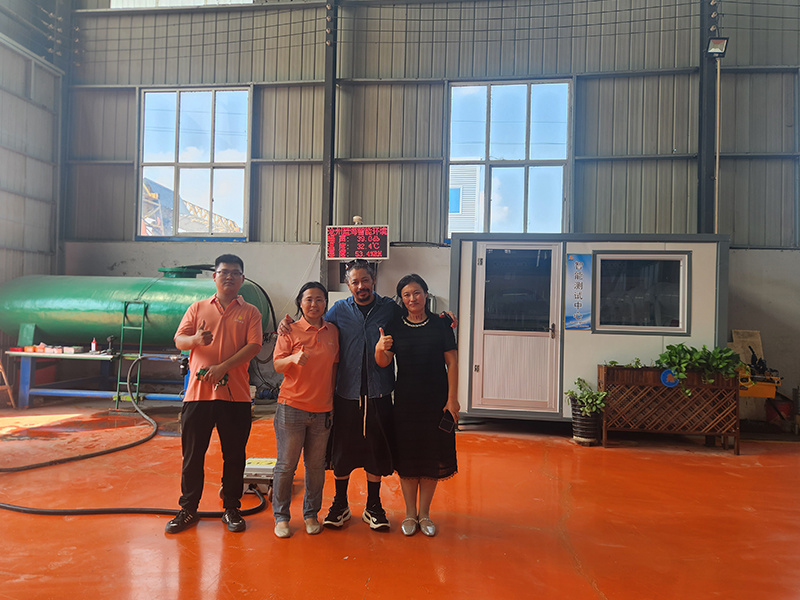
Customers come to visit our factory


Leave Message
Navigation
Contact Us
Address:
Jiaohe Industrial Park, Botou, Cangzhou city, Hebei province, China
E-mail:
Phone/WhatsApp: