Water dust suppression system-dust control expert



Air Purification: The Importance of Dust-Reduction Equipment
2026-11-20


In air quality management and production environment control, dust suppression equipment is critical infrastructure for curbing particulate matter dispersion. Whether at construction sites, mining stockpiles, or during road transport, as well as in industrial workshops and enclosed storage facilities, failure to promptly settle airborne dust can compromise respiratory health, regional air quality, and workplace safety. Proper deployment of mist cannons, micro‑mist systems, and dry‑mist systems enables a shift from “reactive cleanup” to “source control” of dust.
I. Reduce Dust Exposure to Protect Respiratory Health
Particulate matter suspended in the air is a major risk factor for respiratory health. Dust suppression equipment reduces the time dust remains airborne through methods such as spraying, settling, and capture. In open, dusty environments, fog cannons can remotely cover large areas, providing extensive dust control at material yards, stockpiles, and construction sites. In workshops and at localized dust-generating points, micro‑mist systems use fine droplets to capture dust, balancing dust suppression with water‑conservation needs.
II. Reduce fugitive emissions and improve regional air quality
Uncontrolled dust emissions are common in material handling, crushing and screening, and road transport operations. If left unchecked, this dust can spread into the surrounding environment, degrading air visibility and regional environmental quality. Fog cannons are well suited for large‑area dust suppression in open settings, while micro‑mist systems are ideal for workshops, storage bins, and localized dust sources. Dry‑fog systems generate fine droplets, making them appropriate for precise dust control in enclosed or semi‑enclosed spaces, effectively containing dust without significantly increasing material moisture.
III. Preventing Dust Risks and Ensuring Production Safety
Combustible dust poses an explosion risk when it reaches a certain concentration in the air. Promptly settling and removing dust helps reduce dust accumulation in the workplace. Dry‑mist systems are suitable for fine dust suppression in enclosed spaces, micro‑mist systems can control dust at localized sources, and mist cannons handle large‑area dust suppression in open areas. Effective dust control also reduces equipment wear and corrosion, extending equipment service life.
IV. Maintain a Clean Environment and Enhance Production Quality
In industries such as electronics, pharmaceuticals, food processing, and precision manufacturing, airborne particulates can affect product yield and compliance. By strategically combining micro-mist and dry-mist systems, local dust concentrations can be reduced, helping to maintain a more stable production environment.
The importance of dust suppression equipment is evident in multiple areas, including health protection, environmental conservation, workplace safety, and process reliability. Tailored to different settings, mist cannons, micro‑mist systems, and dry‑mist systems can form complementary dust‑control solutions: large‑area suppression in open spaces, precise control at localized dust‑generating points, and low‑humidity dust settling in enclosed environments. Selecting the appropriate dust‑suppression equipment based on site-specific dust characteristics, spatial configuration, and environmental requirements ensures the system delivers real results, providing ongoing assurance for clean air and sustainable production.


TAG:
Previous
Related Posts
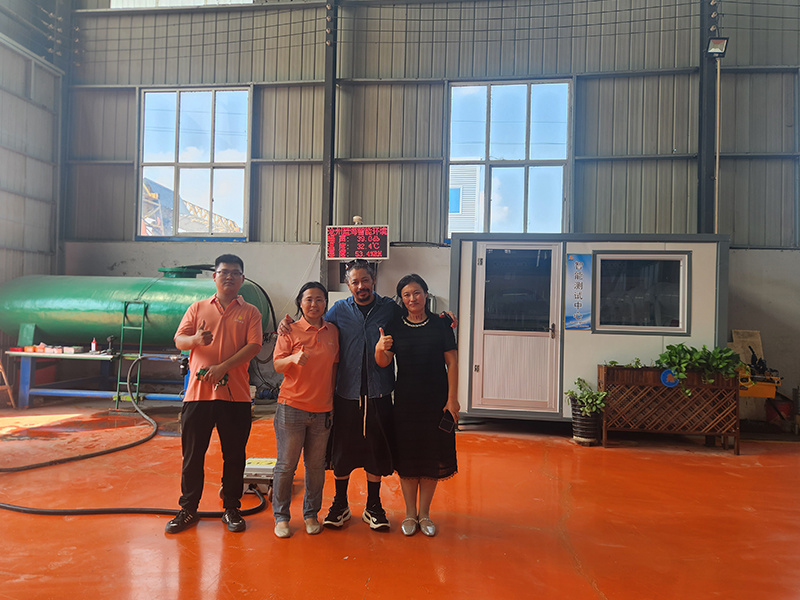
Customers come to visit our factory

Leave Message
Navigation
Contact Us
Address:
Jiaohe Industrial Park, Botou, Cangzhou city, Hebei province, China