Water dust suppression system-dust control expert



Mist cannon: an “air-purifying guardian” that efficiently suppresses dust.
2026-09-21


A fog cannon, also known as a dust‑control fog cannon or atomizing cannon, is a specialized dust‑suppression device that combines high‑pressure atomization with wind‑assisted delivery. By atomizing water into fine droplets and projecting them over long distances using powerful airflow, it causes the mist to coalesce with airborne particulate matter, leading to effective settling and dust suppression.
The core operational process of a mist cannon is divided into two stages: “atomization” and “delivery.” A high-pressure water pump pressurizes the water and delivers it to the atomizing nozzle, where it is broken into fine droplets measuring 50 to 200 microns in diameter. Simultaneously, a fan generates a high‑velocity airflow that carries the atomized mist into the air duct and propels it over long distances. Upon contact with airborne dust particles, the mist condenses, gains weight, and naturally settles, thereby achieving dust suppression. Equipped with a rotary mechanism and hydraulic cylinders, the cannon barrel can rotate 360° horizontally and adjust its elevation angle, ensuring precise coverage of the target area.
Mist cannons offer a range of 30 to 100 meters, allowing users to select the appropriate model based on the area to be treated. Taking a common model as an example, a 60-meter‑range unit typically features an 18.5‑kW jet motor and a 3‑kW centrifugal pump, with adjustable droplet sizes ranging from 50 to 250 microns, and supports both remote‑control and manual operation. Compared with conventional water trucks, mist cannons can reduce water consumption by 70% to 80% while covering a significantly larger area. The equipment can be permanently mounted on concrete platforms or steel‑frame towers, or equipped with a generator set for installation on transport vehicles, ensuring flexible deployment across various sites.
Mist cannons are widely used in dust‑control applications. Construction sites represent one of the key application areas, where operations such as earthmoving, soil dumping between piles, and backfilling all require simultaneous mist‑spraying to suppress dust. In industrial and mining settings—including coal storage yards, port terminals, power plants, and steel mills—mist cannons help curb dust dispersion during loading, unloading, and stockpiling. Beyond these contexts, the equipment is also employed for urban street misting to reduce temperatures and maintain humidity, for disinfection and sterilization in public spaces, and for pest‑ and disease‑control spraying in agriculture. As environmental regulations become increasingly stringent, mist cannons have evolved from standalone devices into precision dust‑suppression systems that can integrate with intelligent monitoring networks, enabling closed‑loop management of monitoring, control, and remediation.


TAG:
Related Posts
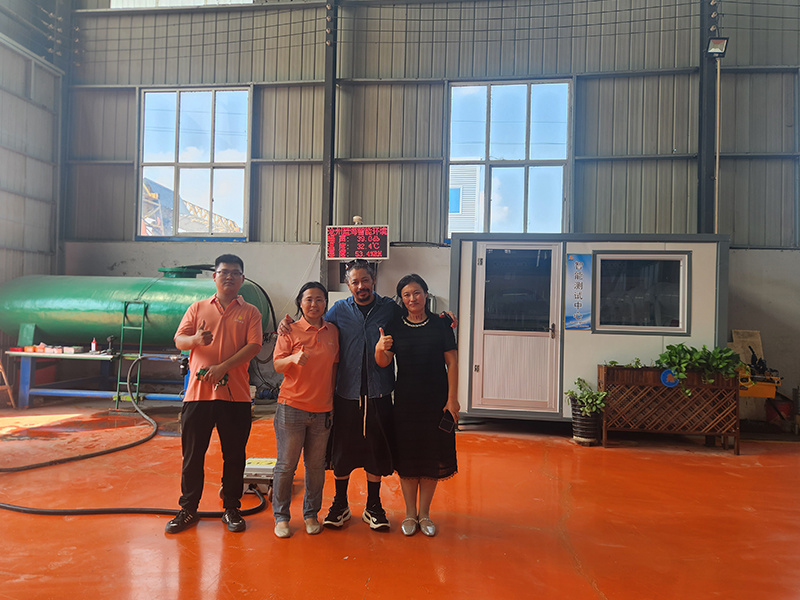
Customers come to visit our factory


Leave Message
Navigation
Contact Us
Address:
Jiaohe Industrial Park, Botou, Cangzhou city, Hebei province, China
E-mail:
Phone/WhatsApp: