Water dust suppression system-dust control expert



Crystallization Evaporator: An Efficient Solution for Zero Liquid Discharge of High-Salinity Wastewater
2026-09-18


The fragmentation evaporator is an environmentally friendly device that uses a high-speed rotating impeller to forcibly break wastewater into tiny droplets, enabling rapid evaporation through natural environmental conditions. It features a pontoon‑type mounting structure, allowing it to float directly on the surface of the evaporation pond without the need for a fixed foundation. This design ensures flexible adaptation to water level fluctuations and makes it particularly well suited for retrofitting or expanding large evaporation ponds.
At the heart of the system is a high-speed atomization unit. A water pump delivers wastewater to the atomizer, where a 23.5-kilowatt motor drives a specially designed impeller to spin at high speed, forcibly breaking the wastewater into fine droplets with an average diameter of approximately 100 microns and dispersing them over a large surface area in the form of a mist. Under natural meteorological conditions—such as sunlight, wind, and low humidity—the droplets evaporate rapidly, releasing water vapor into the atmosphere, while pollutants and salts, due to gravity, settle back into the evaporation pond, thereby reducing the volume of wastewater. Compared with conventional natural evaporation, this forced-evaporation process can enhance evaporation efficiency by a factor of 14 to 30, allowing the required evaporation‑pond area for treating the same amount of wastewater to be reduced to one-tenth of its original size.
The fragment‑type evaporator offers significant advantages in energy consumption and operations & maintenance. Its specific energy consumption per ton of water is far lower than that of conventional thermal evaporation processes, resulting in more cost‑effective operating costs. All sealing components feature a maintenance‑free design; under normal operating conditions, the unit can run continuously for 10,000 hours without shutdowns and requires only annual preventive maintenance. The equipment is installed directly on the surface of the evaporation pond, ensuring that any unevaporated liquid and contaminants return to the pond within permitted limits, with no leakage into the surrounding environment—thereby fundamentally eliminating the risk of secondary pollution. Furthermore, the system supports PLC‑based centralized control, wireless network monitoring, and remote operation, enabling fully unmanned operation.
This equipment is widely used in zero‑discharge wastewater projects across sectors such as petrochemicals, coal chemicals, mining, power generation, the food industry, and urban wastewater treatment. Specifically, it can treat high‑salinity wastewaters including flue‑gas desulfurization effluent from power plants, concentrated brine from coal chemical processes, concentrated leachate from landfills, and mine water. Taking the staged‑utilization project for mine water at the Wudong Coal Mine of Guoneng Water Services in Xinjiang as an example, the mechanical atomization evaporation system has already been successfully implemented in coal‑mine wastewater treatment. In zero‑discharge processes, compared with conventional multi‑effect evaporation or mechanical vapor recompression (MVR) technologies, this atomization evaporation system offers distinct advantages in terms of lower capital and operating costs, making it a cost‑effective solution to the problem of overflowing evaporation ponds for high‑salinity wastewaters.


TAG:
Related Posts
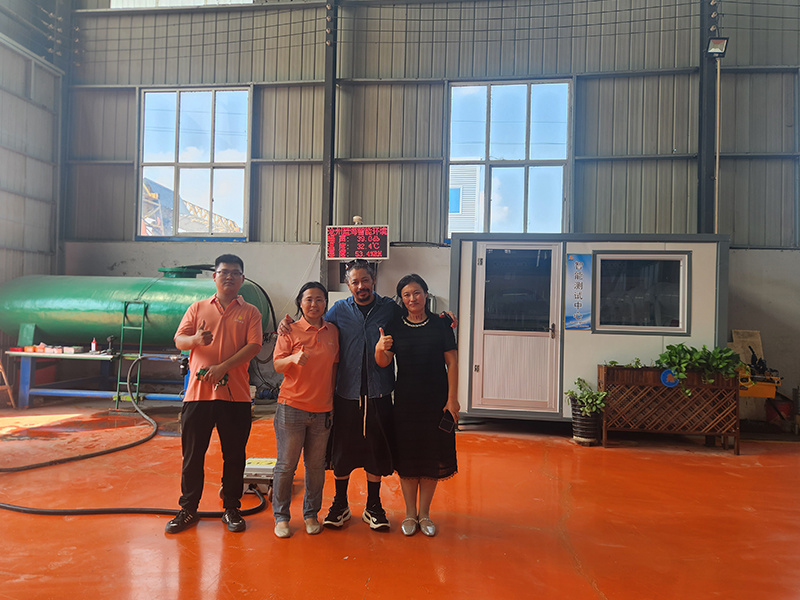
Customers come to visit our factory

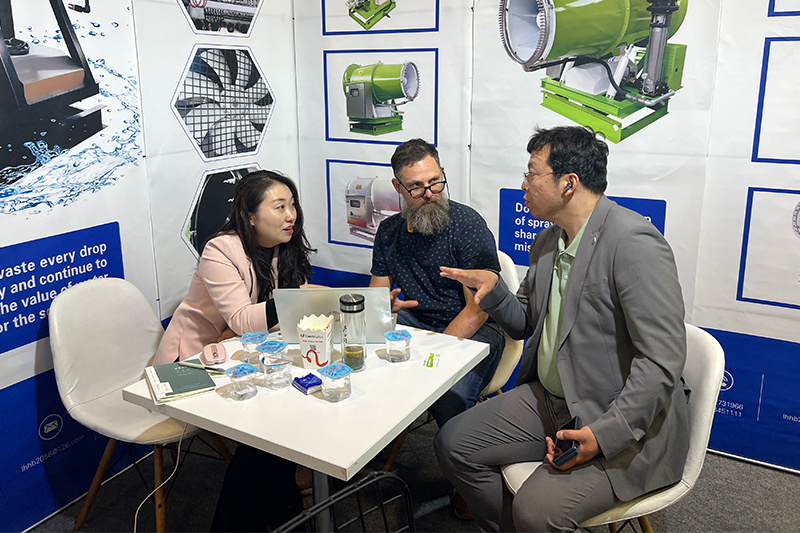

Leave Message
Navigation
Contact Us
Address:
Jiaohe Industrial Park, Botou, Cangzhou city, Hebei province, China
E-mail:
Phone/WhatsApp: